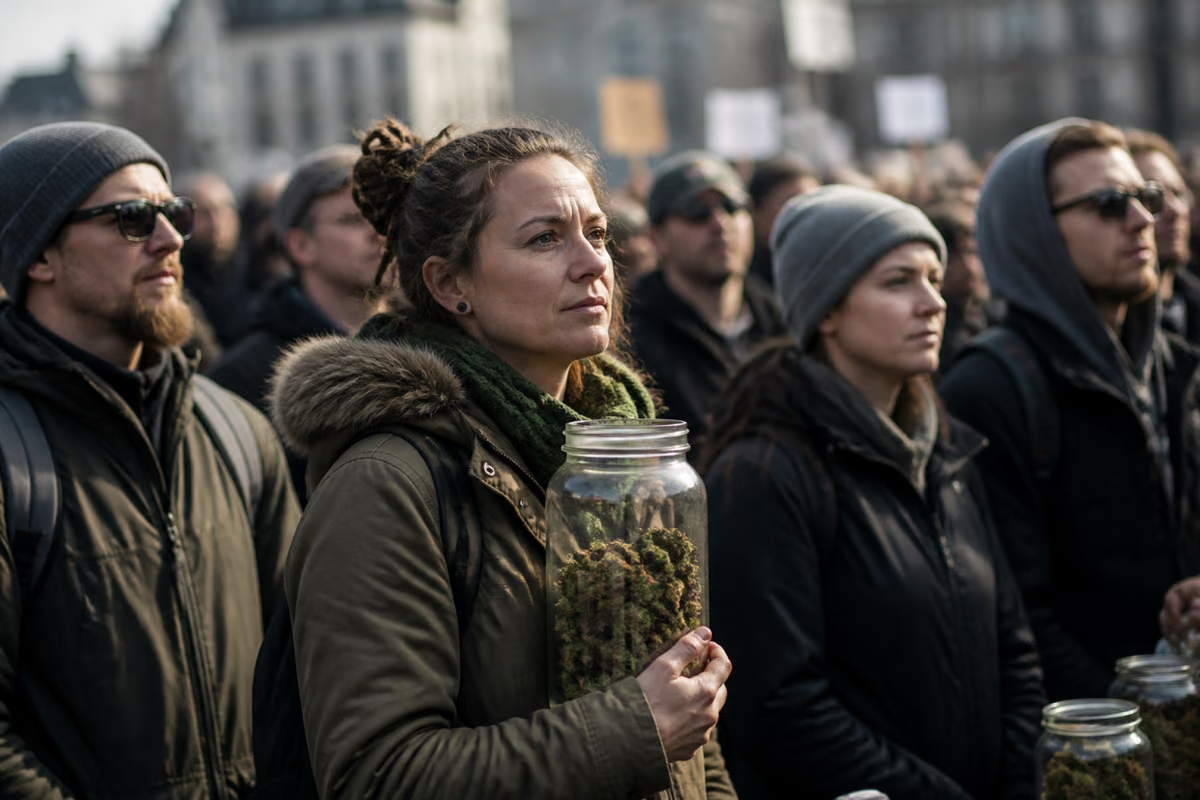
German patient and industry organizations are criticizing the coalition's health insurance amendments because they end reimbursement for cannabis flowers. The change cuts patients off from affordable inhalable medicine. The groups say the measure takes away the fastest-acting and most cost-effective cannabis treatment from people who depend on it. They also warn that it leaves alternative products in legal limbo. This matters because it is the first major rollback for medical cannabis patients since Germany's Cannabis Act took effect.
What the GKV-BStabG Changes for Medical Cannabis
The changes come from the Statutory Health Insurance Contribution Rate Stabilization Act, known as the GKV-BStabG. Its aim is to curb rising costs in Germany's public health insurance system. Statutory health insurance (GKV) is the public, contribution-funded system that covers the large majority of people living in Germany. The Bundestag approved the measure before its summer recess. The Health Committee then held a hearing on the coalition's proposed amendments.
The most contested provision removes cannabis flowers from GKV reimbursement entirely. The German Hemp Association (DHV) called this "a severe blow to many patients." It also described the change as the first major setback since the Cannabis Act came into force in April 2024 and since the black-red coalition of CDU/CSU and SPD took office. For patients with public insurance, prescribed flowers would become an out-of-pocket expense. Many chronically ill people cannot afford to cover that cost themselves.
Why Inhalation Matters to Patients
DHV Chairman Georg Wurth argues that the deeper problem goes beyond flowers alone. Under the amended GKV-BStabG, inhalable cannabis medications are effectively no longer available to people with statutory insurance. Inhaled cannabis reaches the bloodstream through the lungs. Its effects typically begin within minutes. Oral preparations must pass through digestion and liver metabolism first, so they can take 30 to 90 minutes to act.
"Many patients rely on the much faster onset of action compared to oral administration," Wurth said at the hearing. That speed matters for breakthrough pain, nausea and sudden spasticity.
Wurth also pointed to two practical advantages of flowers:
- Therapeutic range: Flowers come in many different varieties, with different cannabinoid and terpene profiles. Terpenes are the aromatic compounds that shape scent and may influence effects. This variety lets doctors match a product to a patient's condition.
- Cost efficiency: Measured by THC content, flowers are the cheapest cannabis medicine available. Excluding them could raise costs for the system instead of lowering them.
The Grey Zone Around Extracts and Vape Pens
Germany's reimbursement rules leave inhalable alternatives to flowers uncertain. One example is rosin, a solventless concentrate pressed from cannabis using heat and pressure. Another is fresh extracts, concentrates made from freshly harvested or frozen plant material. Both are sold in pure form rather than dissolved in oil. Insurers generally refuse to cover them because their THC content exceeds the threshold used to define cannabis-based medicines. Insurers are also hesitant about vape pens, which are battery-powered devices that heat a cannabis preparation into an inhalable vapor.
| Product type | Route | GKV reimbursement status |
|---|---|---|
| Cannabis flowers | Inhaled (vaporized) | Excluded under the amended law |
| Rosin / fresh extracts | Inhaled | Generally not reimbursed (THC above threshold) |
| Vape pens | Inhaled | Insurers hesitant; no clear rule |
| Oil-based extracts | Oral | Remain the main reimbursable option |
Wurth is calling for legal clarification so that inhalable preparations remain available when medically required. He says this is especially urgent if the exclusion of flowers stays in place.
What Patient and Industry Groups Are Demanding
The DHV is not the only organization objecting to the amendments. BAG Selbsthilfe is the umbrella body for 121 national self-help associations of chronically ill and disabled people, plus 13 state working groups. It rejected plans to reintroduce tenders for assistive devices and cytostatics. Tenders are competitive bidding processes in which insurers contract the lowest-cost supplier. Cytostatics are drugs that inhibit cell growth and are used mainly in chemotherapy. The association also says the new cannabis supply rules still need urgent changes.
The German Association of Cannabis Patients (BDCan) is maintaining its criticism of the blanket exclusion of flowers. It is pressing for:
- Transitional and hardship provisions, meaning exceptions that protect patients who are already stabilized on flowers.
- A verifiable comparative risk assessment, with clearly defined scientific and technical foundations. This refers to the evaluation used to judge flowers against other products.
- Reliable rules for standardized, highly concentrated and inhalable extracts, covering production, dispensing, taxation and reimbursement.
- Prompt alignment of guidelines and practical guidance once the law is adopted.
The German Cannabis Business Association (BvCW) and the Federal Association of the Pharmaceutical Industry (BPI) also submitted statements. Industry groups are now aligned with patient advocates on the need for revisions.
Frequently asked questions
Are cannabis flowers still legal for medical use in Germany?
Yes. Doctors can still prescribe medical cannabis flowers in Germany. The dispute concerns payment, not legality. Under the amended GKV-BStabG, statutory health insurance would no longer reimburse flowers. Publicly insured patients would therefore have to pay for flower prescriptions themselves, which many chronically ill patients cannot afford long term.
Why do patients prefer inhaled cannabis over oral products?
Inhaled cannabis enters the bloodstream through the lungs and usually takes effect within minutes. Oral oils and capsules must be digested and metabolized first, which can delay relief by up to 90 minutes. Fast onset is especially valuable for sudden pain, nausea or muscle spasms that need rapid control.
Why are rosin and fresh extracts not covered by German insurers?
Statutory insurers generally refuse to reimburse rosin and fresh extracts because their THC concentration exceeds the threshold used to define cannabis-based medicines. These products are sold in pure form rather than diluted in oil. Patient groups are calling for legal clarification so these inhalable concentrates can be prescribed and reimbursed when medically necessary.
What are hardship provisions in this context?
Hardship provisions are legal exceptions that protect patients who would suffer serious harm from a sudden rule change. The German Association of Cannabis Patients (BDCan) wants them for people already stabilized on cannabis flowers. Without such exceptions, these patients would have to switch therapies or pay full costs out of pocket.
Which organizations have criticized the reimbursement changes?
The German Hemp Association (DHV), the Federal Association of Self-Help Groups (BAG Selbsthilfe) and the German Association of Cannabis Patients (BDCan) have all issued critical statements. The German Cannabis Business Association (BvCW) and the Federal Association of the Pharmaceutical Industry (BPI) also responded during the Bundestag Health Committee process.







 United Kingdom